New Blog Series 🧠 The Human Cost of Systems
Schools, organisations, and institutions do not function because of policies, frameworks, inspection criteria, or strategic plans alone.
They function because of people.
- People who lead.
- People who teach.
- People who support.
- People who advocate.
- People who carry responsibility long after official working hours have ended.
Over the course of my career, I have worked across middle leadership, school improvement, SEND, EAL, assessment, inspection, and national strategy. I have helped build departments, systems, processes, and programmes designed to improve outcomes for others.
Along the way, I have noticed something.
We spend a great deal of time discussing systems.
Far less time discussing what those systems ask of the people inside them.
- The emotional labour.
- The ethical dilemmas.
- The identity shifts.
- The grief.
- The loyalty.
- The boundaries.
- The quiet courage required to hold professional standards when pressure pushes in another direction.
This series explores those often-unspoken experiences.
Not through the lens of blame or criticism, but through reflection, curiosity, and a belief that healthier institutions begin with a better understanding of the humans who sustain them.
Some posts will explore leadership.
Others will explore belonging, professional identity, moral pressure, institutional change, inclusion, accountability, and the emotional realities of working within complex systems.
Many of the themes emerge from education, but the experiences themselves are not unique to schools.
They belong to anyone who has ever cared deeply about a role, a profession, a community, or an institution.
If you have ever found yourself caught between competing responsibilities, questioning where professional judgement ends and institutional pressure begins, grieving the loss of a culture you once believed in, or trying to hold boundaries whilst still serving others well, this series is for you.
Because behind every framework, policy, strategy, inspection, intervention, and improvement plan, there are people.
And people carry more than systems often acknowledge.
Welcome to 🧠 The Human Cost of Systems.
Current Articles
- The Quiet Grief of Professional Change: Institutional Grief and Finding Closure at the End of the Academic Year
Coming Soon
- The Cost of Holding Boundaries: Professional Judgement, Moral Pressure, and the People Caught in the Middle
- The Emergency Services Professional
- Institutional Amnesia
- Grieving the Profession You Entered


Lessons from the Field – Post 1 of 5Lessons from the Field – Post 1 of 5
Some schools grow with a plan. Others grow with purpose—and build the plan as they go.
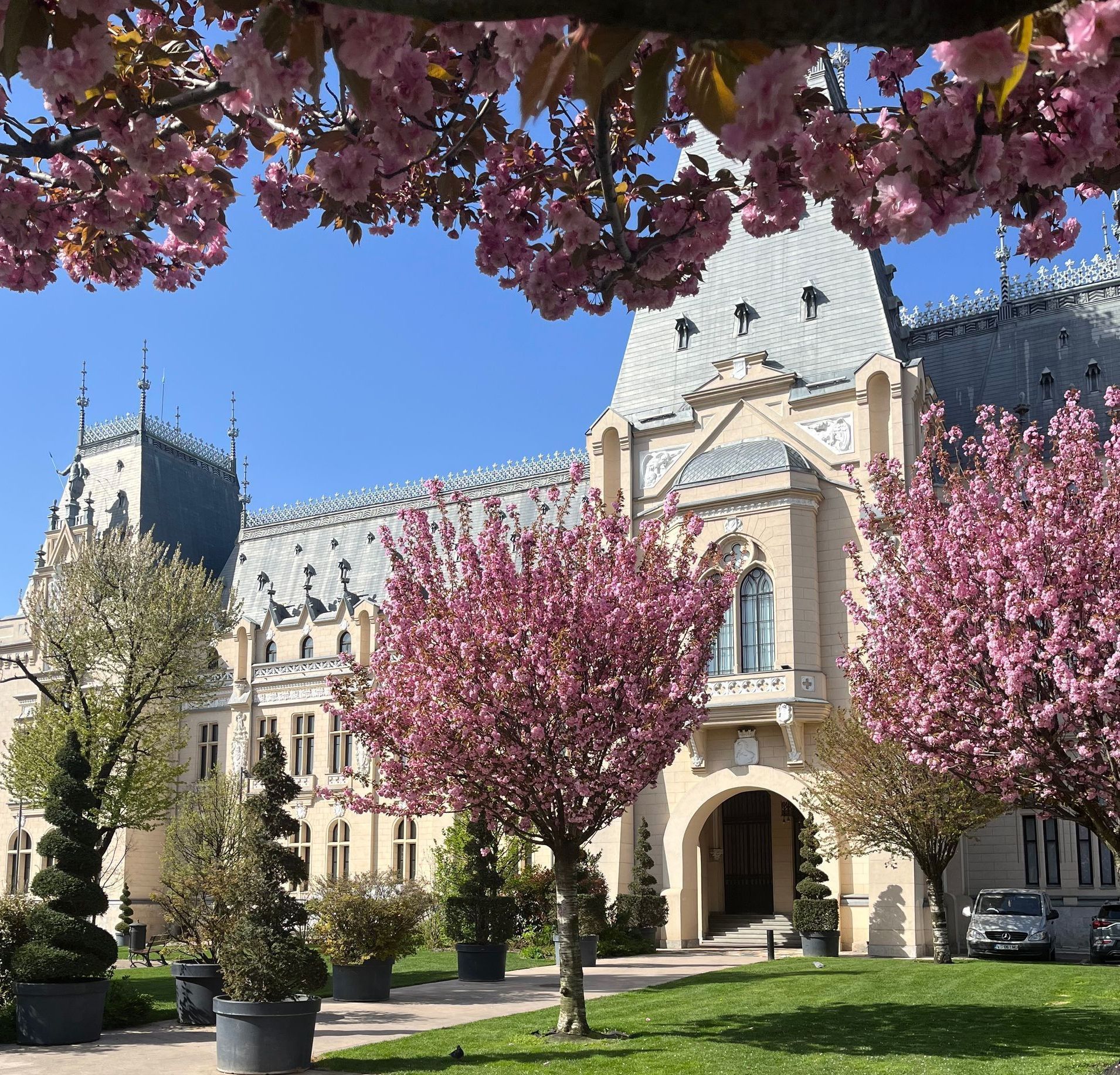
A few weeks ago, I spent time with a small secondary school in Romania, as part of an international inspection team. It wasn’t just the scale that made this visit different—it was the sense of vision, the humility in the leadership, and the determination to give students something that hadn’t existed before.
There’s no ready-made roadmap for building a school culture from scratch. No checklist for courage. What I saw instead was something far more powerful: a team willing to learn publicly, to make mistakes, to course-correct, and to keep going.
Despite being a young and growing school, what stood out most was the clarity. The team wasn’t chasing trends. They were anchored. And the students? Eloquent. Positive. Humble. Confident. Not performative—just secure in who they were becoming, and proud of what they were part of.
Their cultural capital didn’t come from having “all the things.” It came from being part of something that mattered. That grew. That made space for them to grow too.
I left the school thinking not about limitations—but about possibility. And how often, in education and in life, we wait too long for things to be perfect before we move forward. This school didn’t wait. They started walking without a map, and made the road by walking it.
That’s vision. That’s vulnerability. That’s leadership.
💡 Reflective questions:
For practitioners:
Where in your own practice are you building without a map—and how are you protecting space for trial and error?
For parents:
What kind of vision does your child’s school live out—and how do you see it day to day?
For students (if sharing with learners):
What’s something your school does that makes you feel proud to belong?
🧠 This post is part of the “Lessons from the Field” series by Beautiful Brain—real-world reflections on inclusion, intelligence and impact in international education.